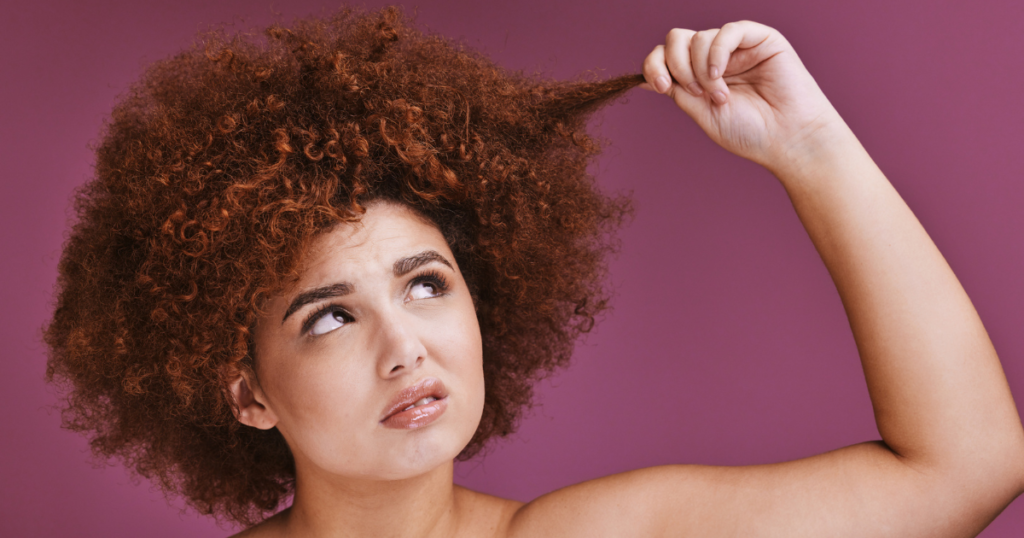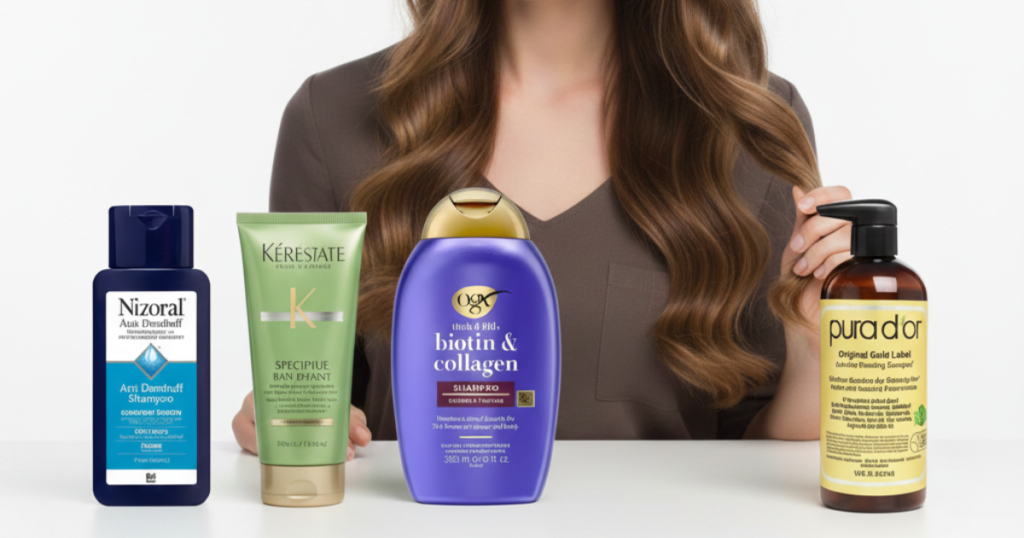
Welcome back to Gloss Wellness. If your curls look amazing on wash day but deflate into a greasy mess by day two, you are navigating the unique challenge of oily curly hair. This hair type presents a classic paradox: a scalp that overproduces sebum, leading to oiliness, yet mid-lengths and ends that often remain dry, frizzy, or limp.
It’s a common misconception that having an oily scalp means you can skip conditioning. For those with naturally dry textures, this approach is a recipe for disaster. The key to managing oily curly hair lies not in stripping the hair, but in mastering a precise balance of cleansing, lightweight hydration, and gentle maintenance.
In this definitive, expert-level guide for Gloss Wellness, we dive deep into the science behind the sebum production in textured hair, the best lightweight oily curly hair products, and the strategic routine you need to maintain voluminous, defined, and fresh-looking curls from root to tip.
Understanding the Paradox: Why Curls Get Oily
The structure of curly hair fundamentally contributes to the challenge of managing oily curly hair.
The Sebum Flow Blockade
Sebum, the natural oil produced by the sebaceous glands on your scalp, is essential for protection and moisture. In straight hair, sebum travels easily down the straight hair shaft. However, in curly and coily textures, the spirals, twists, and bends of the hair act as literal roadblocks.
This means:
- Scalp Saturation: The sebum gets trapped and accumulates quickly on the scalp, leading to excess oiliness and the need for specialized care for oily curly hair.
- Dry Ends: The necessary oils fail to reach the dry, fragile ends of the curls, which remain thirsty and prone to breakage.
This dual condition requires a two-pronged approach: effective scalp management combined with strategic, lightweight moisturizing of the lengths.
Hormonal and Environmental Factors
While curl pattern is the structural factor, other elements exacerbate oily curly hair:
- Over-Cleansing: Washing too often can trigger the sebaceous glands to produce more oil to compensate for the sudden loss, creating a vicious cycle.
- Product Overload: Using heavy butters, oils, or silicone-heavy products can clog the follicles and weigh down the curl pattern, making the hair appear greasy faster.
- Hormones: Fluctuations during stress, menstrual cycles, or lifestyle changes directly influence sebum production.
The Gloss Wellness Protocol: A Strategic Routine for Oily Curly Hair
The right routine for oily curly hair focuses on detoxifying the scalp while offering water-based, non-comedogenic moisture to the curls.
Step 1: Cleansing – The Deep Detox
The most crucial step is finding the right cleanser. Since sebum accumulates easily, buildup is inevitable.
| Cleanser Type | Function for Oily Curly Hair | Frequency |
| Clarifying Shampoo | Removes heavy buildup, minerals, and silicone residue from the scalp. | Once every 2-4 weeks |
| Gentle Daily/Weekly Shampoo | Removes oil and debris without harsh stripping; contains mild surfactants. | 2-3 times per week |
| Co-Wash | Avoid co-washing (conditioner-only washing). It’s generally too heavy and contributes to oil buildup for oily curly hair. | Avoid entirely |
Key Ingredients to Look For: Tea Tree Oil, Peppermint, Salicylic Acid (to exfoliate the scalp), and mild, non-sulfate surfactants.
Step 2: Conditioning – Focus on Ends, Avoid the Root
Conditioning is non-negotiable, but the technique must change. You need hydration, not heavy oil.
- Product Selection: Choose lightweight, water-based conditioners labeled as volumizing or weightless. Avoid those with heavy coconut oil, castor oil, or petroleum jelly listed high on the ingredient list.
- Application Technique: Apply conditioner only from the mid-shaft to the ends. Do not allow the conditioner to touch your scalp, as this will accelerate the oily appearance of your oily curly hair.
- Rinsing: Rinse thoroughly with lukewarm to cool water. Residue is the enemy of fresh, voluminous curls.
Step 3: Lightweight Styling & Sealing – The Water-Based Finish
Heavy creams and butters will ruin your volume and immediately make oily curly hair look greasier. Stick to serums, foams, and gels.
- Leave-In Conditioner: If you must use one, ensure it is a lightweight, milky spray applied sparingly to the ends only.
- Stylers: Mousse or foam stylers are excellent choices as they provide hold and volume without the weight. Follow up with a lightweight gel for curl definition and humidity resistance.
- Avoid Oils: Unlike dry hair types, oily curly hair does not require an oil seal post-styling. If your ends feel dry, use one drop of a very light oil (like Argan or Squalane) and scrunch it in only at the very bottom.
The Ingredient Decoder: Lightweight High-Performance Products
Successfully managing oily curly hair involves becoming an ingredient detective. You are looking for humectants and light hydrators, and actively avoiding heavy emollients and silicones that don’t evaporate.
| Ingredient Category | Goal for Oily Curly Hair | Best Examples to Look For | Ingredients to Avoid |
| Light Hydrators | Moisture without weight | Aloe Vera, Glycerin, Panthenol (Pro-Vitamin B5), Hyaluronic Acid. | Coconut Oil, Castor Oil, Mineral Oil (high on the list). |
| Scalp Balancers | Regulate oil production and exfoliate. | Salicylic Acid, Witch Hazel, Tea Tree Oil, Willow Bark Extract. | Heavy clays or scalp oils (unless part of a pre-shampoo detox). |
| Avoid Weight | Avoid clogging the follicles and weighing down the hair. | N/A | Heavy Silicones (Dimethicone, Amodimethicone) and thick butters (Shea, Cocoa). |
Note on Silicones: Water-soluble silicones (ending in -col or -xane) are generally fine for oily curly hair as they wash out easily, but always check your product ingredients for buildup potential.
Day-to-Day Maintenance for Oily Curly Hair
The period between wash days is where most people struggle. The goal is to extend the life of your wash day without resorting to aggressive cleansing.
1. The Power of Dry Shampoo
Dry shampoo is your best friend. It absorbs excess sebum and adds volume, counteracting the flatness associated with oily curly hair.
- Application: Apply dry shampoo at night before bed. This allows the product time to absorb the oil as you sleep, making it more effective than applying it in the morning.
- Technique: Lift sections of hair and spray directly onto the scalp and roots, not the length. Gently massage it in with your fingertips.
2. Strategic Refreshing
Instead of drenching your hair with heavy creams to refresh, use steam or a lightweight mist.
- Water Mist: Use a continuous spray bottle filled with plain water and a tiny bit of aloe vera juice. Apply lightly to reactivate your existing styling products.
- Curl Refresher Spray: Look for formulas specifically designed for oily curly hair that contain witch hazel or rice protein to add lightness and structure without adding emollients.
3. Gentle Handling
Excessive touching, brushing, or manipulating your curls can transfer oil and dirt from your hands to your scalp, making oily curly hair look dirty faster. Minimize manipulation between washes.
Advanced Strategies: Restoring Balance
If your oily curly hair feels unmanageable, consider these advanced expert techniques:
A. Pre-Poo Treatments (The Reverse Wash)
While oil treatments are usually avoided, a pre-poo applied only to the dry ends 30 minutes before washing can prevent the ends from being overly stripped by the shampoo. Use a small amount of a penetrating oil like olive or avocado oil only on the last few inches. This is a targeted approach for oily curly hair that addresses the dryness without worsening the scalp oiliness.
B. Scalp Scrubs and Tonics
Invest in a dedicated scalp scrub containing physical exfoliants (like sugar or sea salt) or chemical exfoliants (like Glycolic Acid or Lactic Acid).
- Purpose: These lift dead skin cells, product buildup, and excess sebum from the follicle, allowing your scalp to breathe and reducing the greasy appearance associated with oily curly hair.
- Frequency: Use once a month. Always follow with a very gentle clarifying wash.
C. Diffusing for Volume
Air drying causes the curl clump to sit wet on the scalp for a long period, which contributes to flatness and accelerates the greasy look of oily curly hair. Using a diffuser on a medium heat/low speed setting lifts the roots and locks in volume, separating the hair from the scalp. Volume is the best defense against the appearance of oiliness.
Environmental Considerations and Lifestyle
Your environment plays a role in managing oily curly hair:
- Humidity: High humidity can make the hair feel heavier and greasier faster. Use anti-humidity gels that create a protective layer.
- Diet and Stress: High-sugar diets and chronic stress can influence hormone levels, potentially increasing sebum production. A holistic approach to wellness always supports hair health.
Frequently Asked Questions for Oily Curly Hair
Why does my oily curly hair get greasy so fast at the root but stay dry at the ends?
This is due to the structure of the curl pattern. The bends and spirals prevent the natural scalp oil (sebum) from traveling down the hair shaft, causing it to accumulate at the root (making it oily) while the mid-lengths and ends starve for moisture (leaving them dry and frizzy). Managing oily curly hair requires applying cleansers mainly to the scalp and moisturizers only to the ends.
Can I still use conditioner if I have oily curly hair, or should I skip it?
You must condition! Skipping conditioner will leave the delicate ends of your curls dry and prone to breakage. The key is where and what you apply. Use a lightweight, water-based conditioner and apply it strictly from the mid-shaft down. Ensure the conditioner never touches your scalp or roots, which are already prone to being greasy with oily curly hair.
What are the best styling oily curly hair products to use to maintain volume and avoid greasiness?
Avoid heavy creams, butters, and thick oils. The best styling oily curly hair products are mousses, foams, and lightweight gels. These provide hold and definition without adding the weight that accelerates oiliness and flattens the curl pattern. Look for stylers containing lightweight hydrators like Aloe Vera or Panthenol.
How can I extend my wash day and manage the oiliness without over-washing my oily curly hair?
The most effective tool is Dry Shampoo. Apply it directly to the roots and scalp, preferably at night, to absorb sebum as you sleep. Over-washing strips the scalp and can signal the sebaceous glands to produce even more oil. Using dry shampoo and refreshing curls lightly with just water mist or a lightweight foam are key strategies for oily curly hair.
Are deep cleansing or clarifying shampoos necessary for oily curly hair?
Yes, they are essential. Because sebum and products accumulate quickly on the scalp of oily curly hair, you need a dedicated clarifying shampoo once every 2 to 4 weeks. This detox removes heavy product residue, mineral buildup, and excess sebum, ensuring the hair follicles are clean and allowing your regular products to work effectively.
Conclusion: Embracing the Balance
Caring for oily curly hair requires understanding that your scalp and your ends have two different needs. The secret is to stop treating your entire hair shaft like one entity. Focus your clarifying, balancing, and detoxifying efforts at the root, and focus your lightweight, water-based hydration efforts on the ends.
By adopting this specialized, two-tiered product routine and utilizing strategic maintenance tools like dry shampoo and diffusers, you can transform your hair from perpetually weighed-down to consistently voluminous, defined, and fresh. The challenge of oily curly hair is entirely manageable with the right expert protocol.
Ready to take control of your routine? Try incorporating one new lightweight styling product this week and observe the results!